































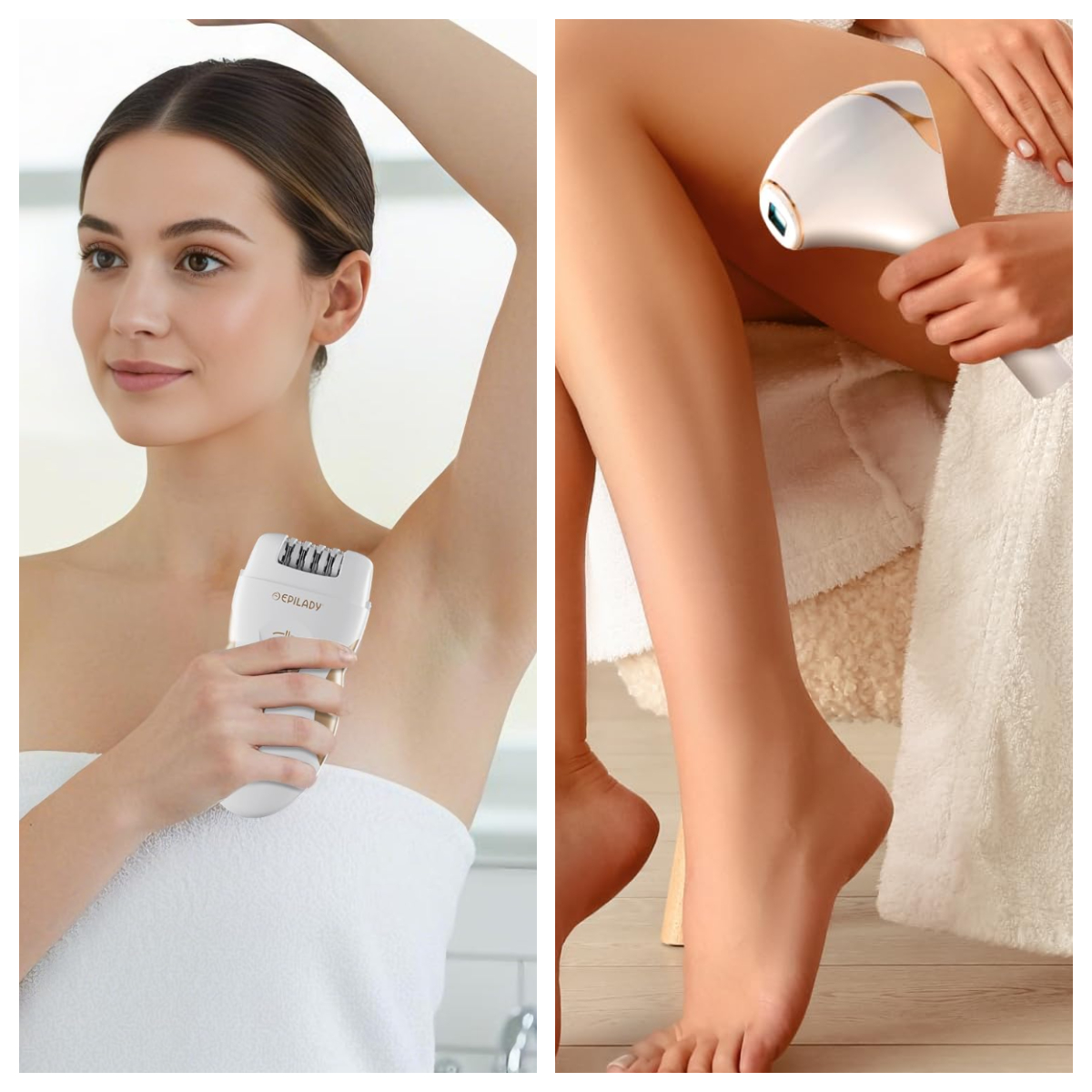
Finding an effective way to remove unwanted hair without constantly shaving, waxing, or scheduling professional treatments can make a significant difference to a beauty routine. Epilady has been part of that conversation for decades, and its history is particularly notable because the company says it introduced the world’s first electrical epilator in 1986. Today, the brand has expanded beyond its original coil-style epilators into a broader selection of hair-removal technologies, including newer laser-based devices.
The appeal of Epilady is its focus on making longer-lasting hair removal available at home. Rather than relying on disposable razors or repeated waxing appointments, its products are designed around removing hair from the root or, with its newer devices, targeting individual hair follicles. That combination of brand experience, specialized technology, and at-home convenience makes Epilady an interesting option for shoppers looking to change their usual hair-removal routine.
Is Epilady Worth Buying?
For shoppers specifically interested in epilation, Epilady is worth considering because hair removal is the brand’s central area of expertise rather than simply one category within a much larger beauty portfolio. According to the company, Epilady has sold more than 50 million products worldwide and has an in-house R&D team focused on hair-removal technology. Its current product range includes traditional epilators as well as newer laser-based solutions.
One of the biggest advantages of epilation is longevity. Unlike shaving, which cuts hair at the surface, epilators mechanically remove hair from the root. Epilady says its traditional epilation results can last up to four to six weeks, although actual results naturally depend on individual hair-growth patterns and how consistently the device is used. This can make the routine considerably more convenient for people who dislike shaving every few days.
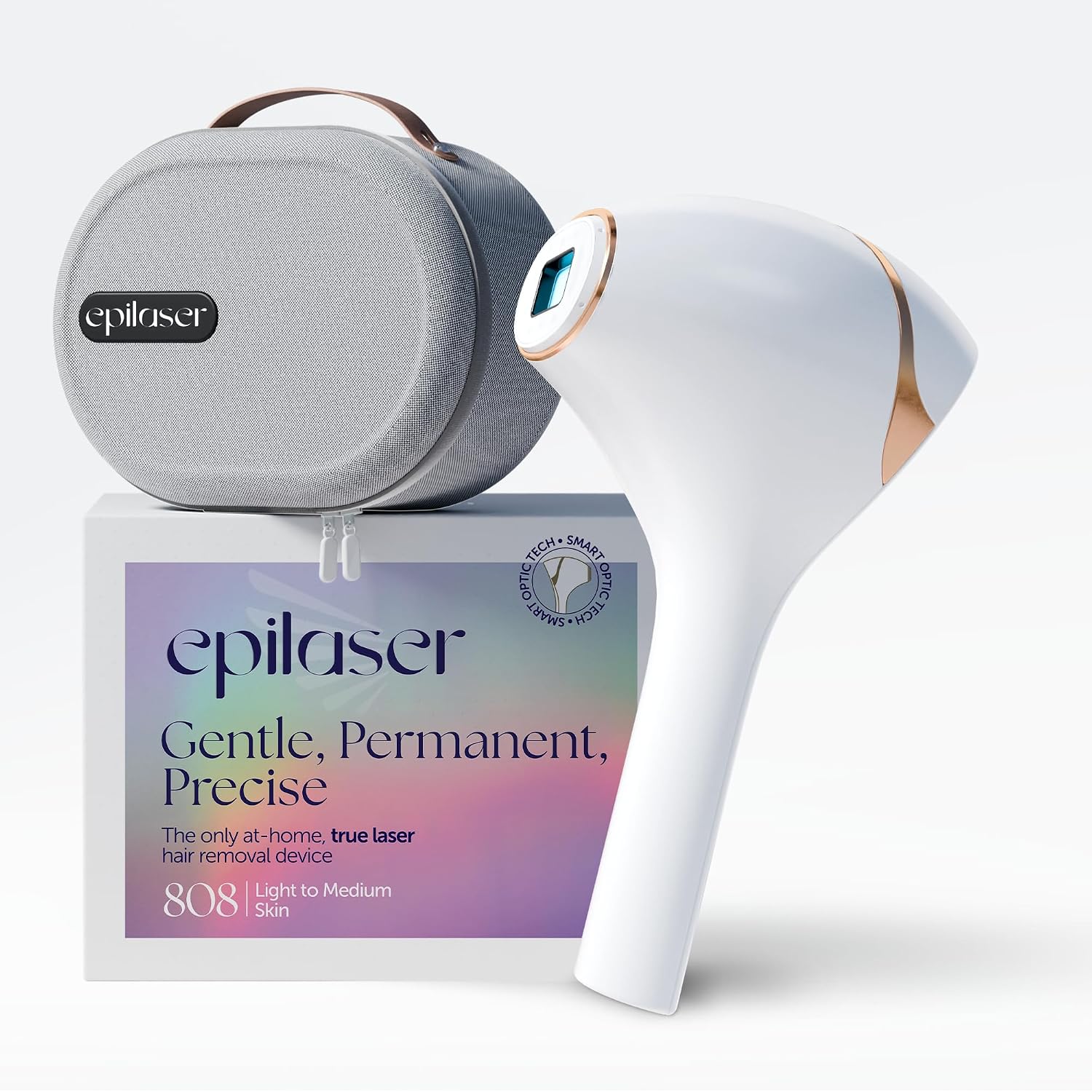
Epilady’s newer direction is particularly interesting. Its Absolute range uses laser technology rather than IPL, with the company describing the devices as designed for more permanent hair reduction after multiple treatments. The brand also offers different devices based on skin tone and says its technology includes an intelligent skin detector. These claims are product-specific, however, so shoppers should examine the exact device, intended skin and hair characteristics, and regulatory information before purchasing.
How does Epilady compare to competitors?
Epilady occupies an interesting position because it has considerably more history in epilation than many of the general beauty brands that now sell hair-removal devices. Braun, for example, has a substantial modern epilator range through its Silk-épil family. Current Braun models include features such as flexible heads, MicroGrip tweezers, Smart Touch controls, Smart Light, wet-and-dry operation, and cordless use. The Silk-épil 9 Flex, for example, uses 40 MicroGrip tweezers and a fully flexible head.
Compared with these established electronics companies, Epilady’s strongest differentiator is specialization and heritage. The company built its identity around epilation from the beginning, while brands such as Braun and Philips have much broader consumer-electronics portfolios. At the same time, competitors can offer highly developed contemporary features, extensive accessory ecosystems, and established global service networks. That means the choice ultimately depends on what shoppers prioritize: Epilady’s specialized hair-removal heritage and product variety, or the broader technology ecosystems offered by larger appliance brands.
Epilady is also trying to distinguish itself through its newer laser-based devices. This expands the brand beyond traditional epilation and gives shoppers another type of at-home hair-removal technology to consider. However, these products should not automatically be treated as interchangeable with conventional epilators, IPL devices, or professional laser treatments. The technology, treatment schedule, skin-tone compatibility, and expected results can differ substantially.