




























Birdwatching has traditionally been a simple hobby: fill a feeder, wait for visitors, and try to identify them from a distance. Birdfy takes that familiar experience and adds modern technology, combining bird feeders with cameras, smartphone connectivity, motion detection, and AI-powered species identification. The result is a product category that can make observing backyard wildlife considerably more interactive.
Birdfy has become one of the better-known names in smart bird feeders, with several models offering different combinations of camera technology, solar power, AI recognition, and app features. Its current lineup includes products such as the Birdfy Feeder 2 Duo, which uses multiple camera perspectives and AI identification for more than 6,000 bird species. For anyone considering a smart feeder, Birdfy deserves a closer look.

Is Birdfy Worth Buying?
Birdfy is worth buying for people who want more from a bird feeder than simply providing food for backyard birds. Its biggest selling point is the combination of a traditional feeder with connected technology. Instead of having to sit near a window waiting for birds to arrive, you can receive notifications, view footage, and revisit recordings through the Birdfy app.
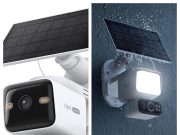
The brand’s current products demonstrate how far this concept has developed. The Birdfy Feeder 2 Duo, for example, features a triple-lens system designed to provide different perspectives, including wide-angle footage and close-up 2K video. It also includes AI recognition for more than 6,000 bird species and comes with a solar panel.
Birdfy’s AI identification is another major reason to consider the brand. According to Birdfy, the system can identify more than 6,000 species and automatically capture videos when birds visit the feeder. The app can then provide identification alerts and organize bird-related data, including species and visit frequency.
How does Birdfy compare to competitors?
Birdfy operates in an increasingly competitive smart bird feeder market, with brands such as Bird Buddy offering their own camera-equipped feeders and connected birdwatching experiences. The difference is no longer simply between a traditional feeder and a camera feeder; shoppers now have to consider camera quality, AI recognition, battery life, solar options, app design, storage, and ongoing subscription costs.
Birdfy’s strongest competitive advantage is the variety of hardware available. Its range extends from relatively straightforward camera-equipped feeders to more advanced models with multiple lenses and different viewing angles. This gives shoppers more flexibility depending on how seriously they want to approach smart birdwatching. The Birdfy Feeder 2 Duo, for example, is positioned as a higher-end option with three perspectives and 2K close-up footage.
Bird Buddy, meanwhile, has developed a strong reputation for its polished app experience and photography-oriented approach. Reviews comparing the two brands often describe Bird Buddy as particularly attractive for users who prioritize a refined software experience and image quality, while Birdfy can offer strong hardware value and additional flexibility.
