

































Choosing the right bedding can completely change how a bedroom feels. Beyond color and appearance, today’s shoppers are increasingly interested in materials, comfort, breathability, durability, and the environmental impact of the products they bring into their homes. Buffy has built its brand around these priorities, offering bedding and home-comfort products designed to combine a soft, inviting feel with a more thoughtful approach to materials.
From comforters and duvet covers to sheets, pillows, blankets, and other bedroom essentials, Buffy gives shoppers plenty of ways to create a cohesive sleep environment. Its focus on plant-based and recycled materials also makes the brand particularly appealing to consumers who want to make more conscious choices without giving up comfort.

Is Buffy Worth Buying?
Buffy is worth considering for shoppers who want bedding that combines comfort, contemporary aesthetics, and a greater emphasis on material choices. The brand has differentiated itself from traditional bedding companies by placing sustainability and responsible sourcing closer to the center of its product philosophy.
One of Buffy’s most recognizable products is its comforter collection. Buffy has offered comforters made with materials such as eucalyptus-derived TENCEL lyocell, while its Breeze comforter is designed to provide a lighter, more breathable option for people who tend to sleep warm. This makes the brand particularly interesting for consumers who prioritize temperature and fabric feel when choosing bedding.
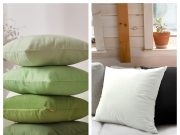
Buffy’s product range extends well beyond comforters. Shoppers can find sheet sets, duvet covers, pillows, mattress protectors, throws, and other bedroom accessories. This makes it possible to create a coordinated bedroom rather than purchasing individual pieces from unrelated brands.
How does Buffy compare to competitors?
The bedding industry includes a huge range of options, from inexpensive department-store sheets to luxury linens and direct-to-consumer brands. Buffy occupies a middle-to-premium position, competing less on being the cheapest option and more on the combination of comfort, aesthetics, and sustainability.
Compared with conventional bedding brands, Buffy’s emphasis on recycled and plant-derived materials is one of its most noticeable differentiators. Consumers who are already interested in making more environmentally conscious purchasing decisions may find this particularly attractive.
Buffy also competes with modern direct-to-consumer bedding companies that emphasize convenience and contemporary design. Where the brand can stand out is in the way it combines this modern shopping experience with a strong focus on material choices. This gives customers an alternative to traditional bedding brands that may place less emphasis on sustainability.
