


























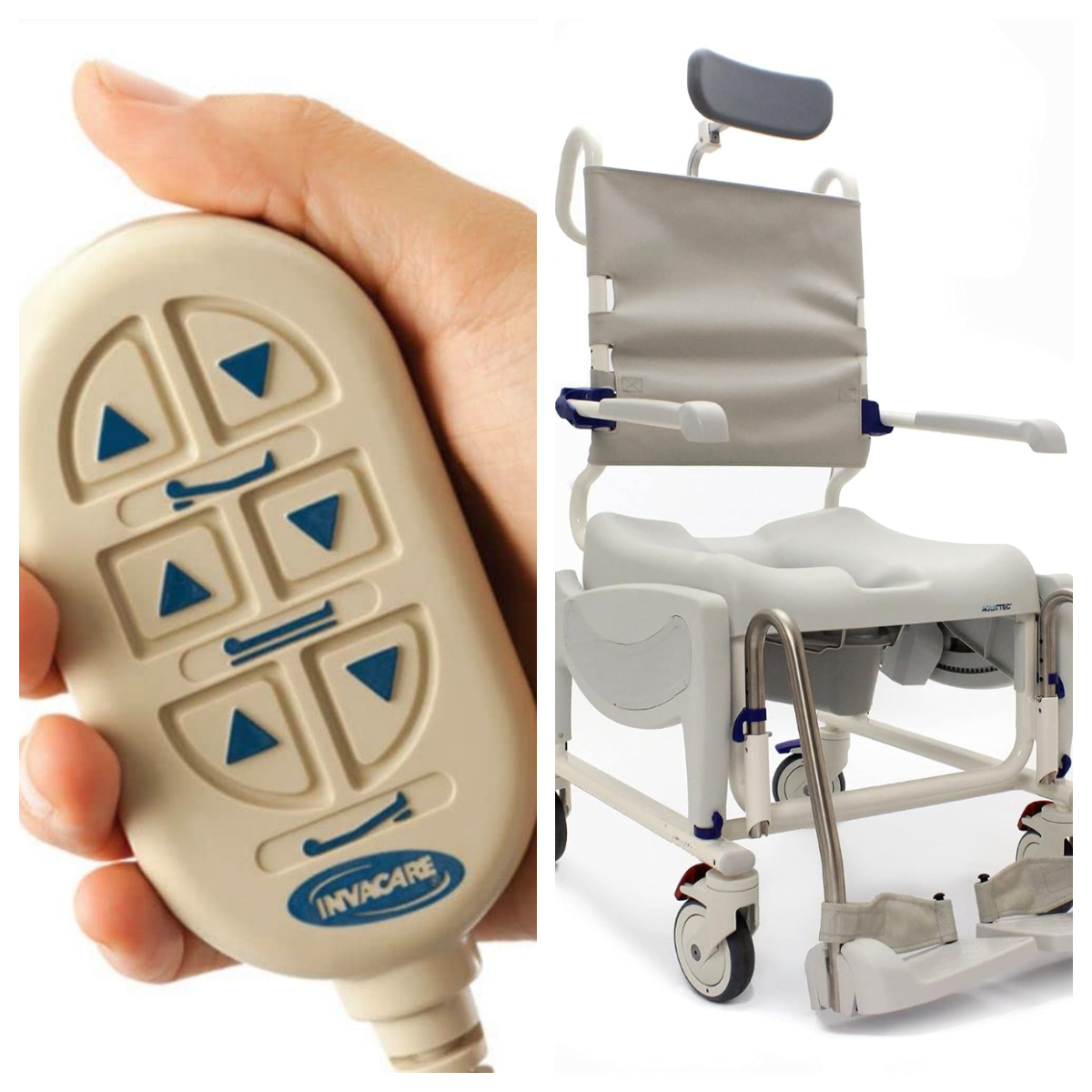
Choosing mobility and home-care equipment is about much more than purchasing a product. The right wheelchair, positioning cushion, patient lift, or bedside accessory can make everyday routines more manageable for individuals and caregivers alike. Invacare is a healthcare equipment brand focused on products designed to support mobility, comfort, personal care, and independent living. Its product range includes manual and powered wheelchairs, seating and positioning solutions, beds and mattresses, patient-transfer equipment, and daily-living aids.
For people exploring equipment for home use, rehabilitation, or longer-term care, Invacare is a brand worth investigating. Its broad catalog provides options for different mobility and care requirements, while product documentation and replacement-parts resources can help shoppers and caregivers evaluate individual models. However, medical and mobility equipment must be selected carefully: the right choice depends on the user’s needs, the intended environment, compatibility, safety requirements, and budget. This review explores what Invacare offers, how it compares with competitors, and what to consider before purchasing.
Is Invacare Worth Buying?
Invacare is worth considering for shoppers looking for mobility and home-care equipment from an established manufacturer with a broad product portfolio. Rather than concentrating on a single category, the brand serves a variety of needs, from everyday wheelchair use to seating support, patient transfers, and comfort products for home or care-facility settings. This breadth can be useful when families, caregivers, and healthcare providers need to compare different types of equipment under one brand.
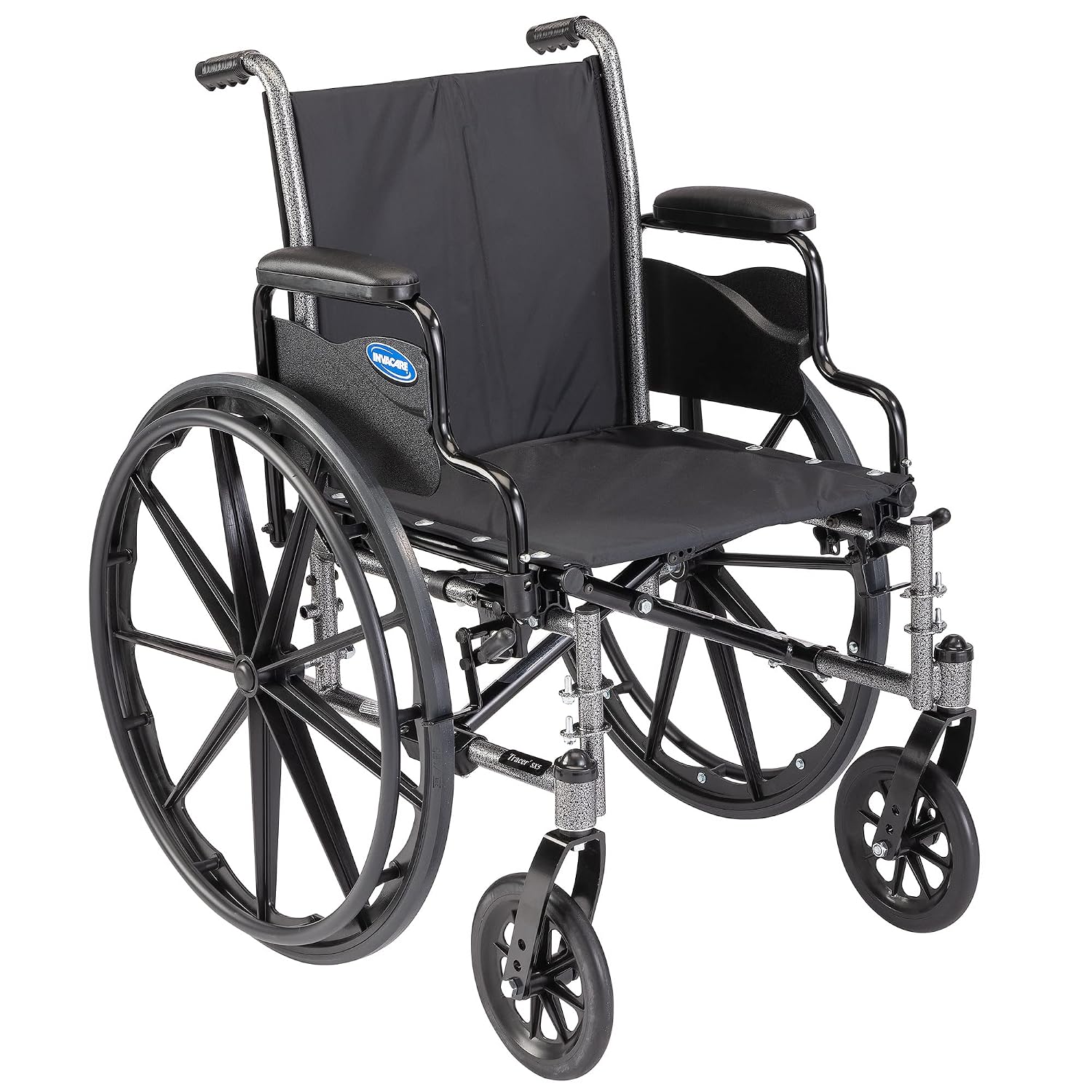
One of Invacare’s strongest advantages is the variety of mobility solutions it offers. Manual wheelchairs can suit users who need a non-powered option, while powered wheelchairs are designed for people who need motorized assistance. Seating and positioning products address another important aspect of mobility: how a person sits, maintains posture, and experiences comfort during extended periods of use. Because requirements vary considerably from one individual to another, having multiple product categories to explore can make the research process more productive.
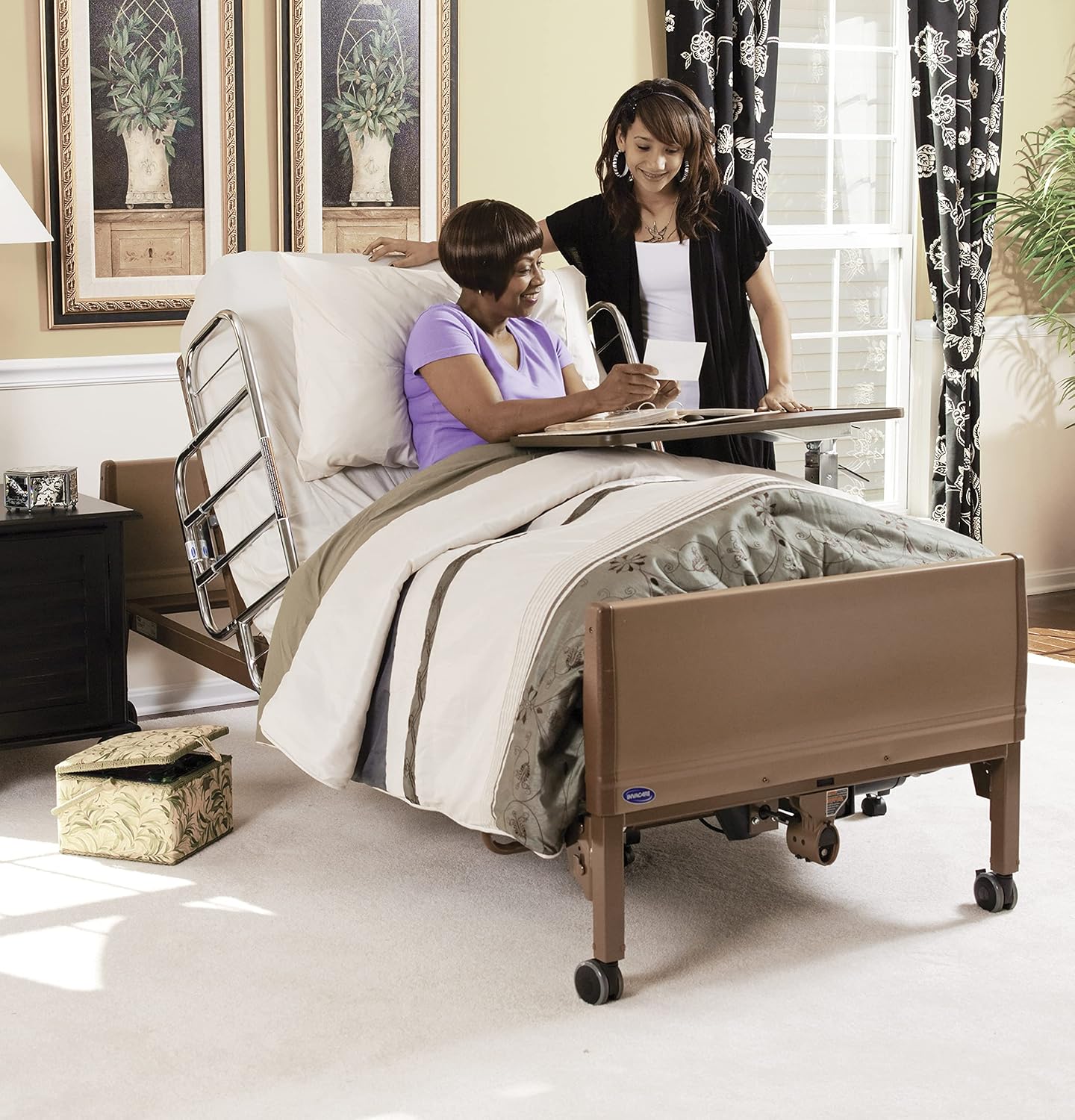
Invacare also offers products intended to support daily routines beyond mobility itself. Its catalog includes beds, mattresses, patient lifts, slings, and personal-care equipment such as bathing and hygiene aids. These products may be relevant for households supporting someone recovering from an illness or injury, people with limited mobility, and professional care environments. The objective is not simply to supply equipment, but to help make everyday activities more manageable for users and caregivers.
How does Invacare compare to competitors?
Invacare operates in a competitive healthcare equipment market alongside brands such as Drive Medical, Medline, Sunrise Medical, Pride Mobility, and Permobil. Although these companies overlap in certain product categories, their individual strengths and product offerings differ. The best choice depends on whether a customer is looking for a basic manual wheelchair, a specialized powered mobility solution, home-care equipment, or products designed for professional healthcare settings.
Compared with Drive Medical, Invacare offers a similarly broad range of mobility and daily-living equipment. Both brands are relevant to shoppers exploring wheelchairs, walkers, bathroom safety products, and other assistive devices. Invacare’s catalog also extends into areas such as patient-transfer equipment, seating and positioning, and home-care beds. For shoppers comparing the two, the most useful approach is to evaluate individual models according to dimensions, weight capacity, adjustability, ease of use, warranty, and price rather than assuming one brand is automatically superior.
Compared with Medline, Invacare is particularly relevant to customers looking for mobility equipment and products designed to support comfort and independent living. Medline serves a much broader medical-supply market, while Invacare has a strong focus on mobility, positioning, rest, patient transfers, and daily-living aids. This distinction can help shoppers narrow their options depending on whether they need a specific mobility solution or are sourcing a wider selection of healthcare supplies. Availability, however, can vary according to the country, distributor, and product category.