

























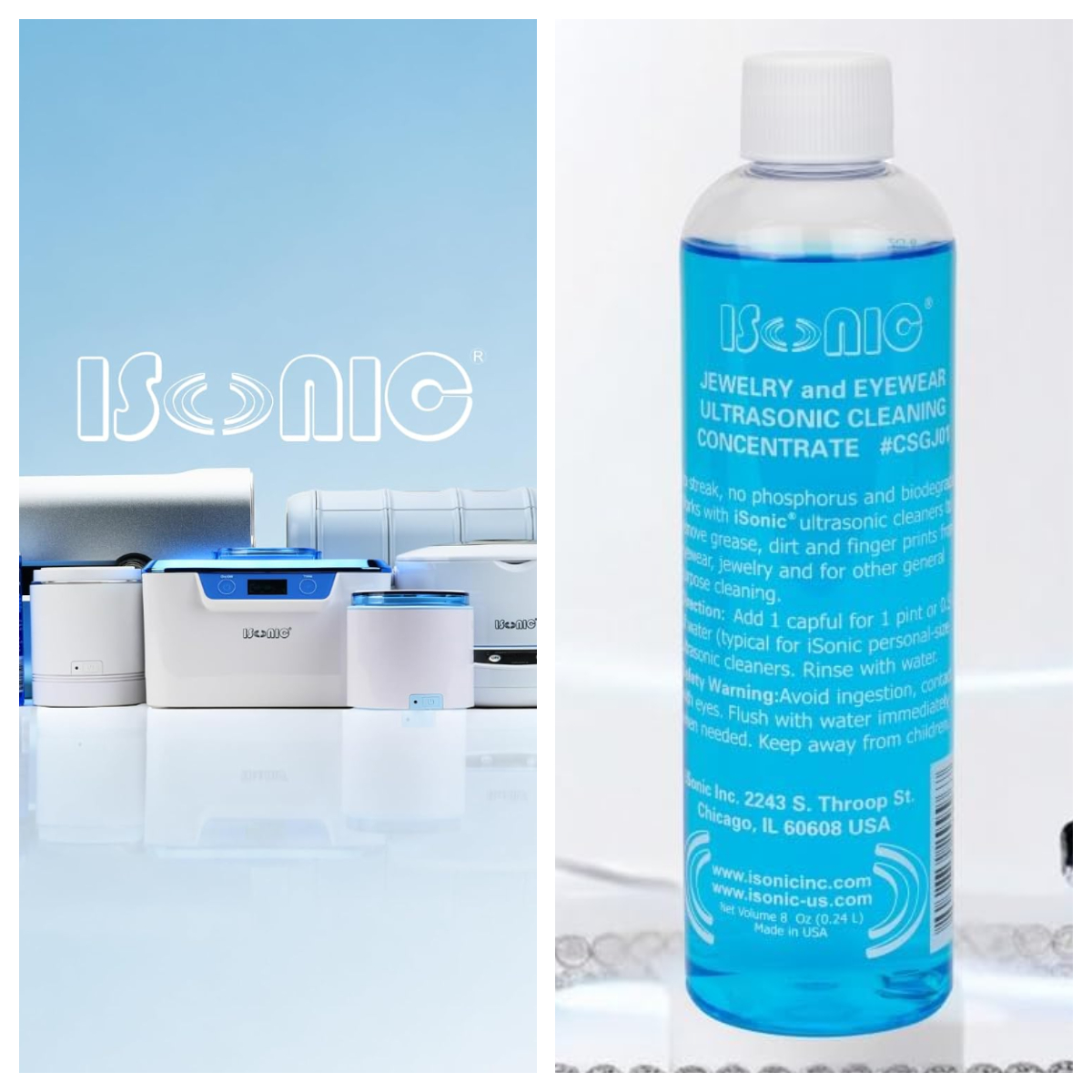
Keeping valuable items clean without causing damage can be challenging, especially when dealing with jewelry, eyeglasses, watches, dental appliances, coins, tools, and delicate accessories. Traditional cleaning methods often fail to remove dirt from small crevices or intricate surfaces. iSonic has built a strong reputation by offering ultrasonic cleaning machines that provide an efficient, gentle, and convenient way to clean a wide variety of items. Combining advanced ultrasonic technology with user-friendly designs, the brand has become a trusted choice for homeowners, collectors, professionals, and small businesses seeking reliable cleaning equipment.
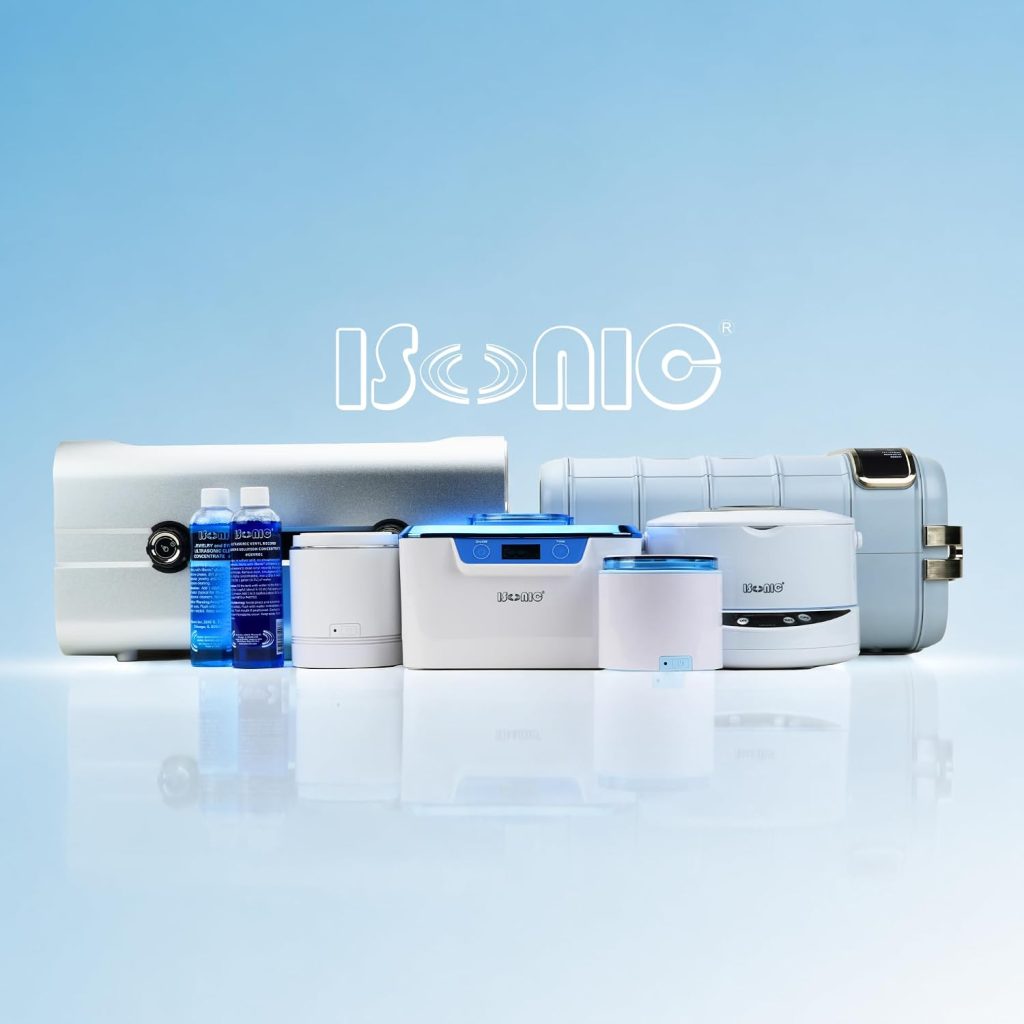
The iSonic Amazon storefront features an extensive range of ultrasonic cleaners in different sizes and capacities, allowing customers to find solutions for everything from personal jewelry cleaning to professional-grade applications. In this review, we’ll explore whether iSonic is trustworthy, compare it with competing ultrasonic cleaning brands, discuss its strengths and weaknesses, and explain why it may be the ideal choice for your cleaning needs.
Is iSonic Trustworthy?
Yes, iSonic is generally considered a trustworthy brand in the ultrasonic cleaning industry. The company has established a solid reputation by specializing in ultrasonic cleaning technology and producing machines designed for both personal and professional use.
One of the primary reasons customers trust iSonic is its expertise in ultrasonic cleaning systems. Rather than offering a broad assortment of unrelated products, the brand focuses specifically on developing equipment that delivers consistent cleaning performance while remaining easy to operate. This specialization has helped iSonic become a recognized name among jewelry owners, watch enthusiasts, dentists, laboratories, hobbyists, and small businesses.
Another reason for the brand’s credibility is its emphasis on quality construction and practical features. Many iSonic machines include stainless steel cleaning tanks, digital timers, adjustable cleaning cycles, and efficient ultrasonic technology designed to remove dirt and debris from difficult-to-reach areas without causing unnecessary wear to delicate items.
How does iSonic compare to competitors?
The ultrasonic cleaning market includes both low-cost consumer models and expensive industrial-grade systems. iSonic successfully positions itself between these two categories by offering reliable cleaning machines that provide professional-level performance while remaining accessible to home users and small businesses.
Many inexpensive ultrasonic cleaners offer limited cleaning power, basic controls, or smaller capacities. iSonic differentiates itself by incorporating features such as digital controls, stainless steel tanks, multiple cleaning modes, and larger cleaning chambers across various product models. These features provide greater flexibility for customers cleaning different types of items.
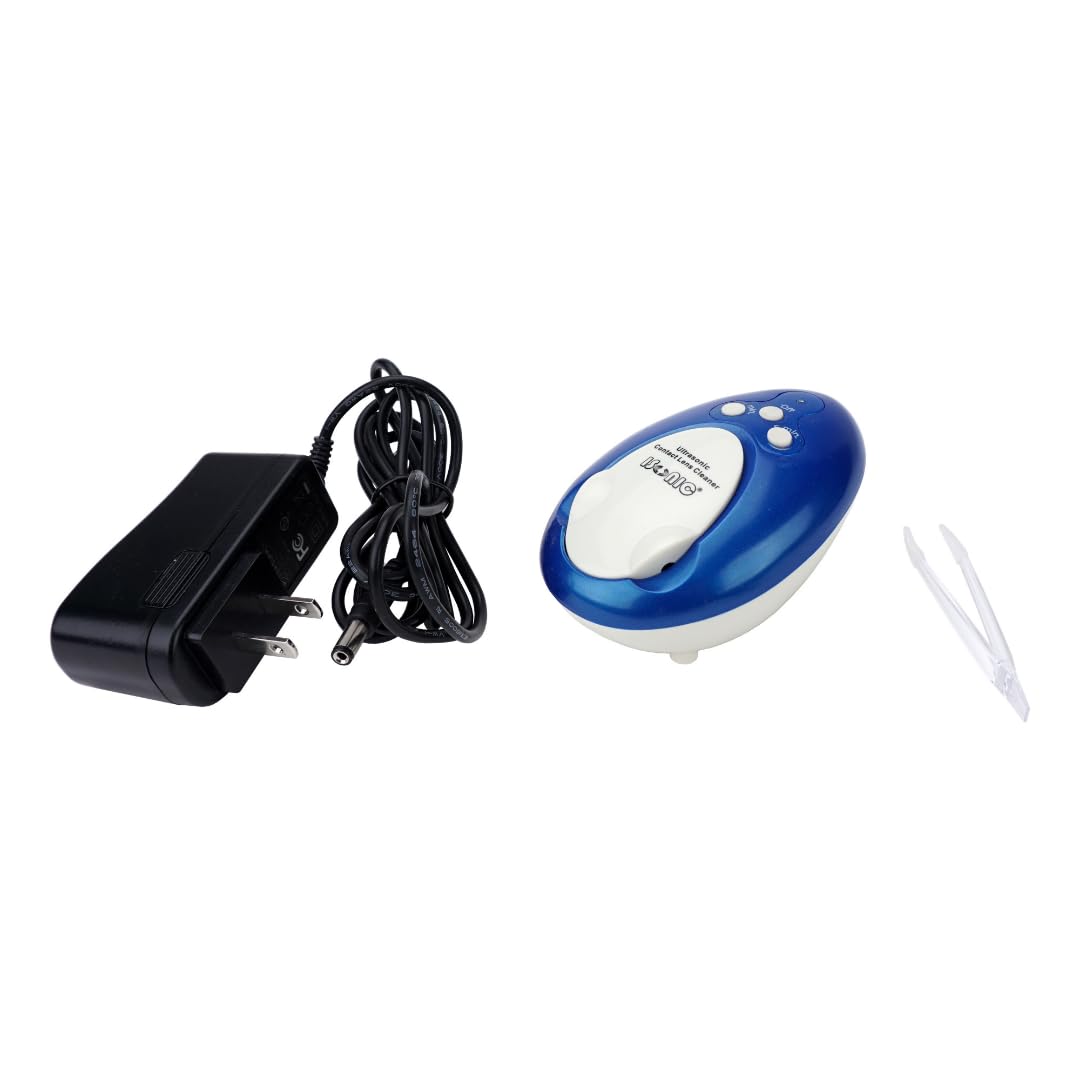
Another area where iSonic stands out is product variety. The brand offers machines suitable for cleaning jewelry, eyeglasses, watches, dentures, retainers, shaving accessories, coins, electronic components, laboratory tools, and many other delicate items. This versatility allows customers to use one machine for multiple cleaning tasks.
Pros and Cons of iSonic
Here are its major strengths and what to watch out for.
Pros
- iSonic specializes in ultrasonic cleaning technology and offers reliable machines suitable for both home and professional use.
- The brand provides a wide range of models with practical features such as digital controls, stainless steel tanks, and multiple cleaning options.
- Shopping through Amazon offers verified customer reviews, secure checkout, reliable shipping, and convenient customer support.
Cons / Considerations
- Some larger-capacity models require additional storage space compared to compact cleaning units.
- Certain delicate materials may require users to follow specific cleaning recommendations to prevent damage.
- Professional industrial users with extremely high cleaning volumes may require larger commercial-grade equipment.