

































Healthy-looking hair starts with more than the right shampoo. Scalp comfort, moisture balance, styling habits, and the products you use between washes can all influence how your hair looks and feels. SHAZ & KIKS takes a scalp-first approach to haircare, combining Ayurvedic-inspired ingredients with modern formulations designed to address concerns such as dryness, excess oil, frizz, buildup, and breakage. Its range includes scalp treatments, shampoos, conditioners, styling products, and hair serums.
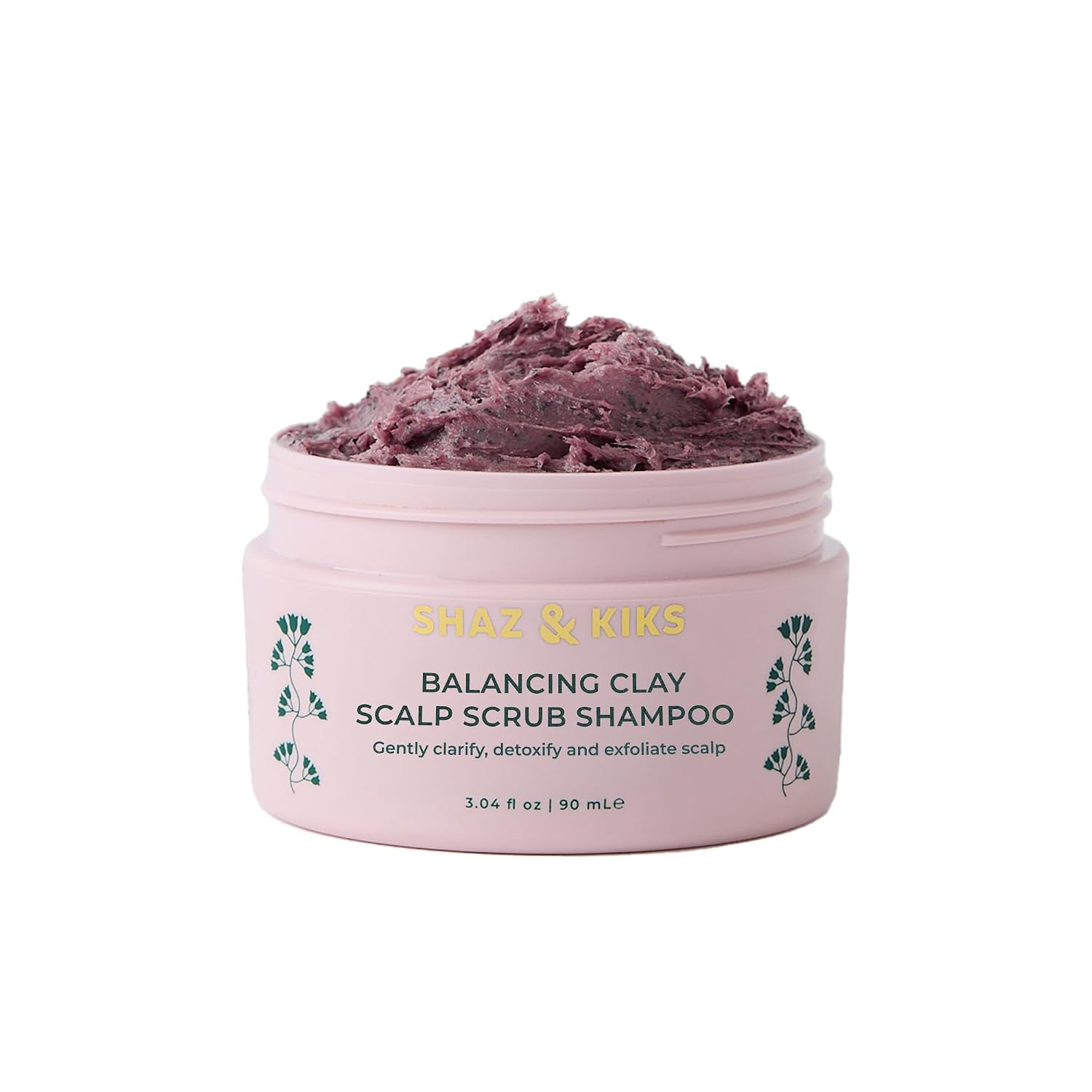
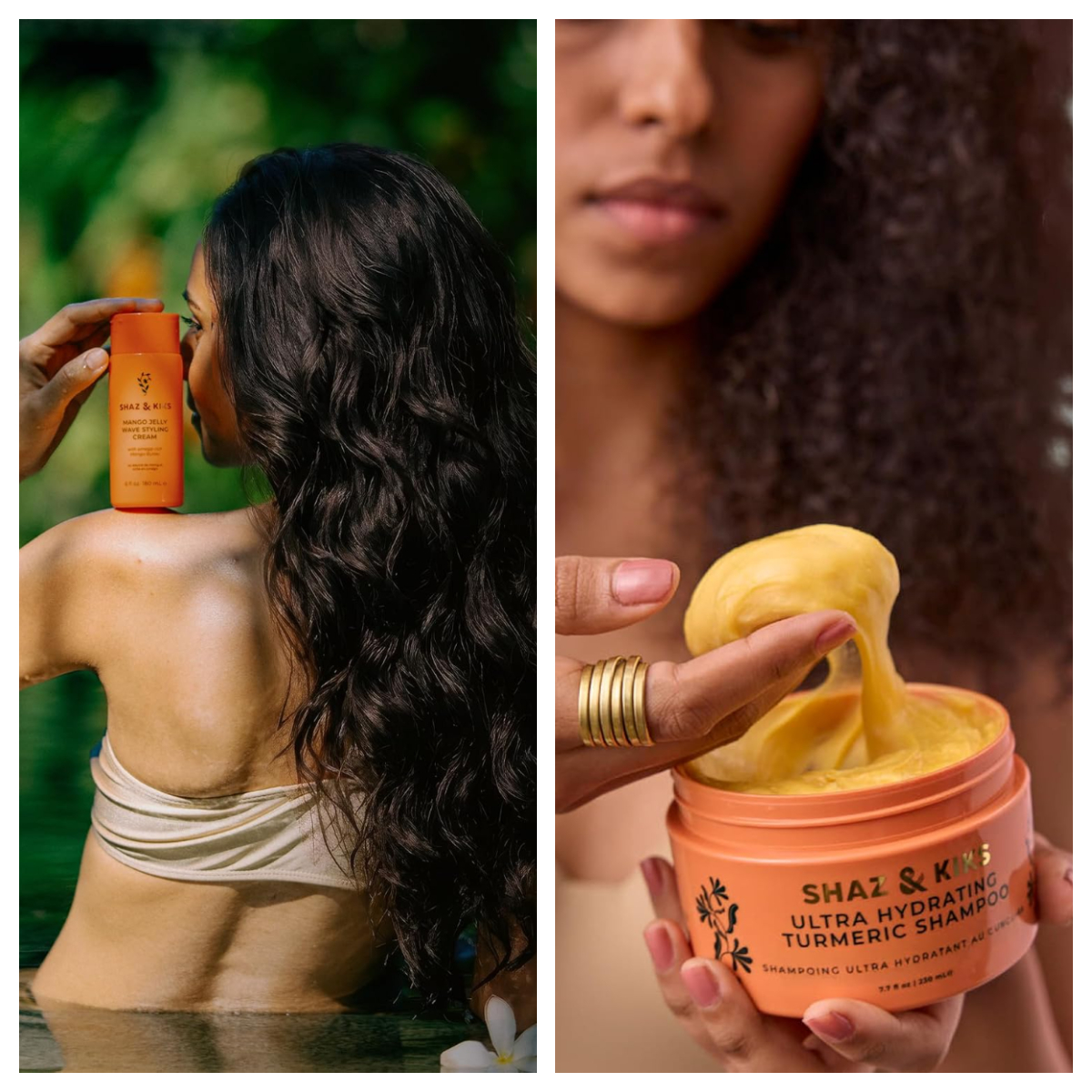
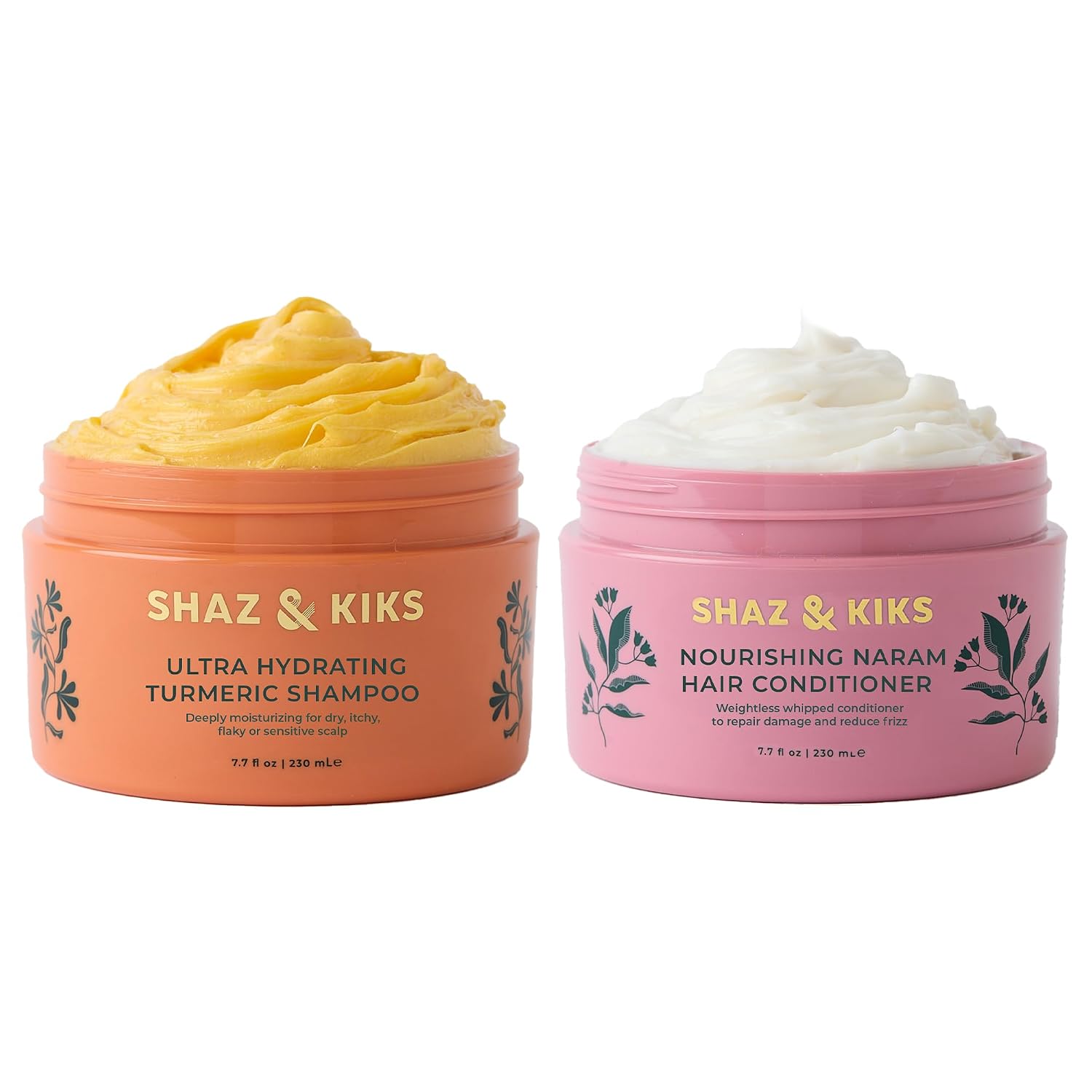
What makes SHAZ & KIKS interesting is its emphasis on building a complete haircare routine rather than relying on a single product. The brand offers options for different hair needs, from its Essential Scalp + Hair Prewash to its Balancing Clay Hair Cleanser, Ultra Hydrating Turmeric Shampoo, and Mango Jelly Wave Styling Cream. But is SHAZ & KIKS worth the investment, and how does it compare with more familiar haircare brands? Let’s take a closer look at what the brand offers, its potential advantages, and what shoppers should consider before buying.
Is SHAZ & KIKS Worth Buying?
SHAZ & KIKS is worth considering if you’re interested in ingredient-conscious haircare and want to take a more deliberate approach to scalp and hair maintenance. Rather than focusing exclusively on shine or styling, the brand organizes many of its products around specific concerns, including scalp buildup, dryness, frizz, damage, and hair that appears thinner or lacks fullness. This approach can make it easier to identify products that align with your priorities instead of choosing a shampoo simply because it promises to do everything.
One of the brand’s signature products is the Essential Scalp + Hair Prewash, a treatment designed to be used before shampooing. SHAZ & KIKS describes it as a weekly, nutrient-rich treatment featuring Ayurvedic-inspired botanicals. The idea is to add an extra step to wash day that focuses on the scalp and hair before cleansing. For shoppers who enjoy more comprehensive routines, a prewash can be an interesting alternative to relying solely on shampoo and conditioner.
The prewash is also a good example of the brand’s broader philosophy: caring for the scalp as part of an overall haircare routine. Many people focus primarily on the lengths and ends of their hair, even when their main concerns involve oily roots, product buildup, or scalp discomfort. A targeted prewash may help some users create a more structured routine, although individual results depend on the formula, hair type, frequency of use, and underlying cause of the concern. Claims related to stronger roots or hair growth should be treated as product positioning rather than guaranteed outcomes.
How does SHAZ & KIKS compare to competitors?
SHAZ & KIKS competes in a crowded haircare market where brands take different approaches to scalp health, moisture, styling, and damage management. Its distinctive angle is the combination of Ayurvedic-inspired botanicals with a scalp-first routine. Instead of offering only a shampoo and conditioner, it encourages shoppers to consider prewash treatments, targeted cleansers, conditioning products, and styling formulas as parts of a broader haircare strategy.
One useful comparison is Briogeo. Briogeo offers a variety of shampoos, conditioners, scalp treatments, and styling products, making it relevant for shoppers who prefer ingredient-conscious haircare. Both brands appeal to people who want to match products to specific concerns rather than rely on a one-size-fits-all routine. The difference is that SHAZ & KIKS places particular emphasis on Ayurvedic-inspired ingredients and its prewash treatment, while shoppers considering Briogeo may be more familiar with its range of targeted collections. The better choice depends on the individual formula, desired texture, ingredient preferences, and price.
Another competitor is Aveda. Aveda is associated with botanical-inspired hair and scalp products, along with salon-oriented haircare and styling. Like SHAZ & KIKS, it can appeal to consumers who value plant-based ingredients and a more intentional approach to hair routines. However, product positioning, scent, salon availability, and price can differ. Shoppers should compare products designed for the same purpose—for example, a hydrating shampoo against another hydrating shampoo—rather than assuming that two botanical-focused products will deliver identical results.