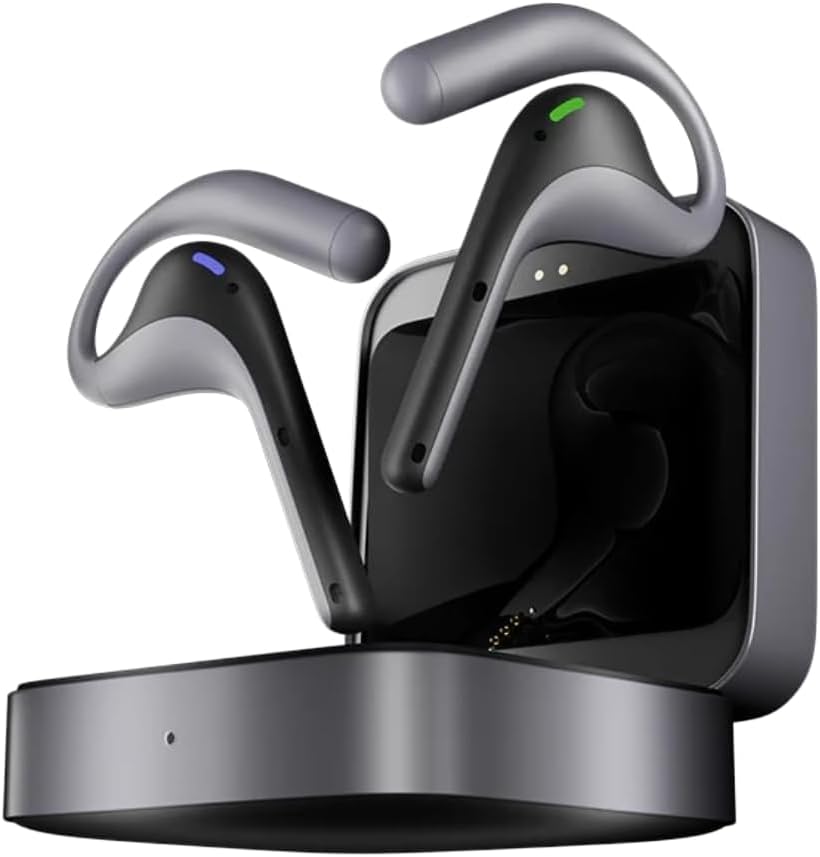





























Traveling, studying, working internationally, or simply communicating with someone who speaks another language can be challenging when every conversation depends on a translation app. Timekettle approaches this problem from a different direction, developing dedicated translation earbuds and AI interpreter devices designed to make conversations more natural and less dependent on constantly passing a phone back and forth.
The brand’s current lineup includes several different solutions, from the M3 Translator Earbuds for everyday translation, music, and calls to the WT2 Edge for hands-free two-way conversations and the more advanced X1 AI Interpreter Hub for multilingual meetings. Its newer W4 Pro is designed around professional communication, including meetings, calls, video translation, and AI-generated notes.
Is Timekettle Worth Buying?
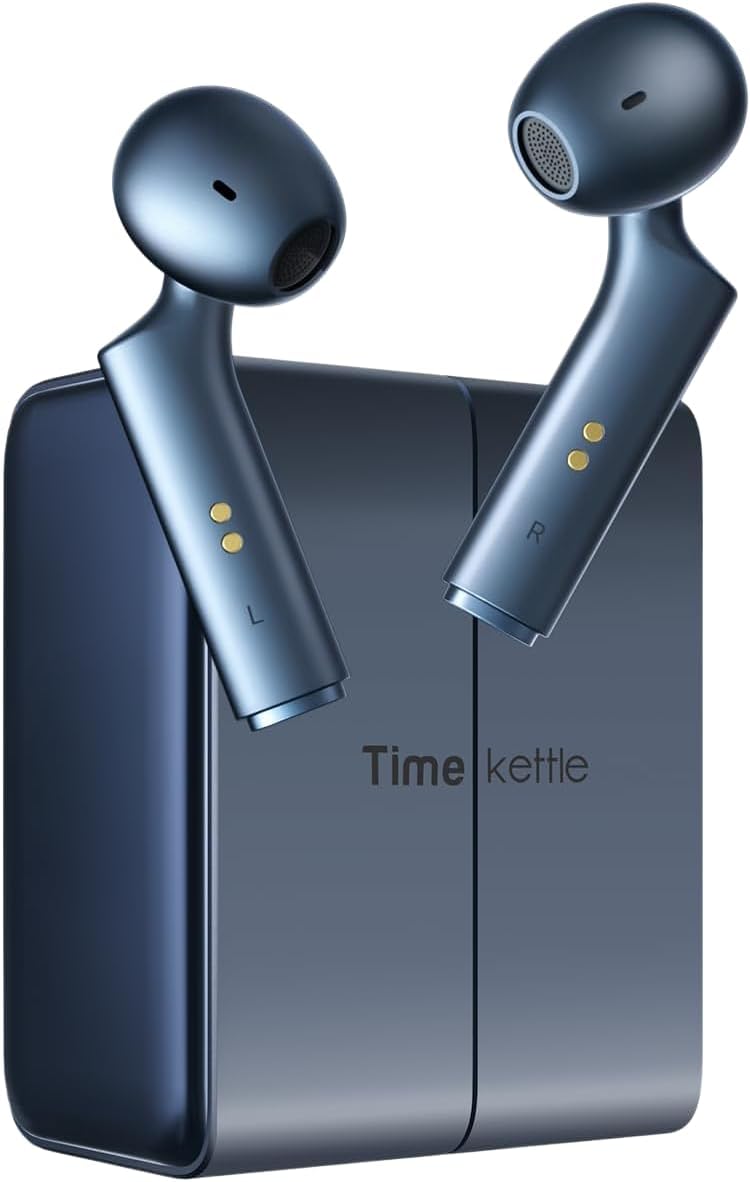
Timekettle is worth considering for consumers who regularly encounter language barriers and want something more specialized than a conventional translation app. The company’s main differentiator is its focus on hardware specifically designed for communication between people speaking different languages. Instead of requiring both participants to stare at a smartphone screen, several Timekettle products allow translated conversations to take place through earbuds.
The WT2 Edge, for example, is designed around two-way simultaneous interpretation and hands-free communication. Timekettle currently states that it supports up to six-person bilingual translation, with 40 online languages and 13 offline language pairs. This makes the product particularly interesting for travelers, international students, families, and other users who need to have face-to-face conversations rather than simply translate individual words or written signs.
For professional users, the W4 Pro takes the concept further. Timekettle describes it as a solution for global business, with simultaneous interpreting, onsite and online meeting assistance, phone-call and video translation, and the ability to save and export translated audio and text as AI notes. The current product information lists support for 40 languages and 93 accents.
How does Timekettle compare to competitors?
Timekettle operates in a growing category that includes dedicated translators from brands such as Pocketalk and Vasco, as well as smartphone-based translation solutions. The biggest distinction is the form factor. Pocketalk and Vasco have traditionally focused heavily on handheld translator devices with screens, while Timekettle has made earbuds a central part of its product strategy. Current comparisons show that the Vasco V4, for example, is built around a handheld screen and integrated mobile connectivity, whereas Timekettle’s W4 Pro is centered around in-ear communication.
That difference becomes particularly important during a face-to-face conversation. A handheld translator generally requires the speakers to take turns speaking toward the device or passing it between them. Timekettle’s two-earbud approach attempts to make the exchange feel closer to a normal conversation because each participant can hear translated speech without continuously handling a phone or translator.
Pocketalk and Vasco can nevertheless have advantages for people who want a standalone screen-based device. Current comparisons describe Vasco’s V4 as emphasizing built-in international data connectivity, while Pocketalk’s S2 focuses on a dedicated handheld experience with an included eSIM period. Timekettle’s newer T1/Fluentalk products show that the company is also moving into the handheld category, giving consumers more choice within its own ecosystem.