

































Mobility, flexibility, and muscle recovery have become essential components of maintaining an active and pain-free lifestyle. Whether you’re an athlete, fitness enthusiast, physical therapy patient, or someone dealing with chronic muscle tightness, using specialized recovery tools can help improve movement quality and support everyday comfort. As self-myofascial release and mobility training continue to gain popularity, consumers are looking for brands that offer effective, purpose-built recovery solutions.
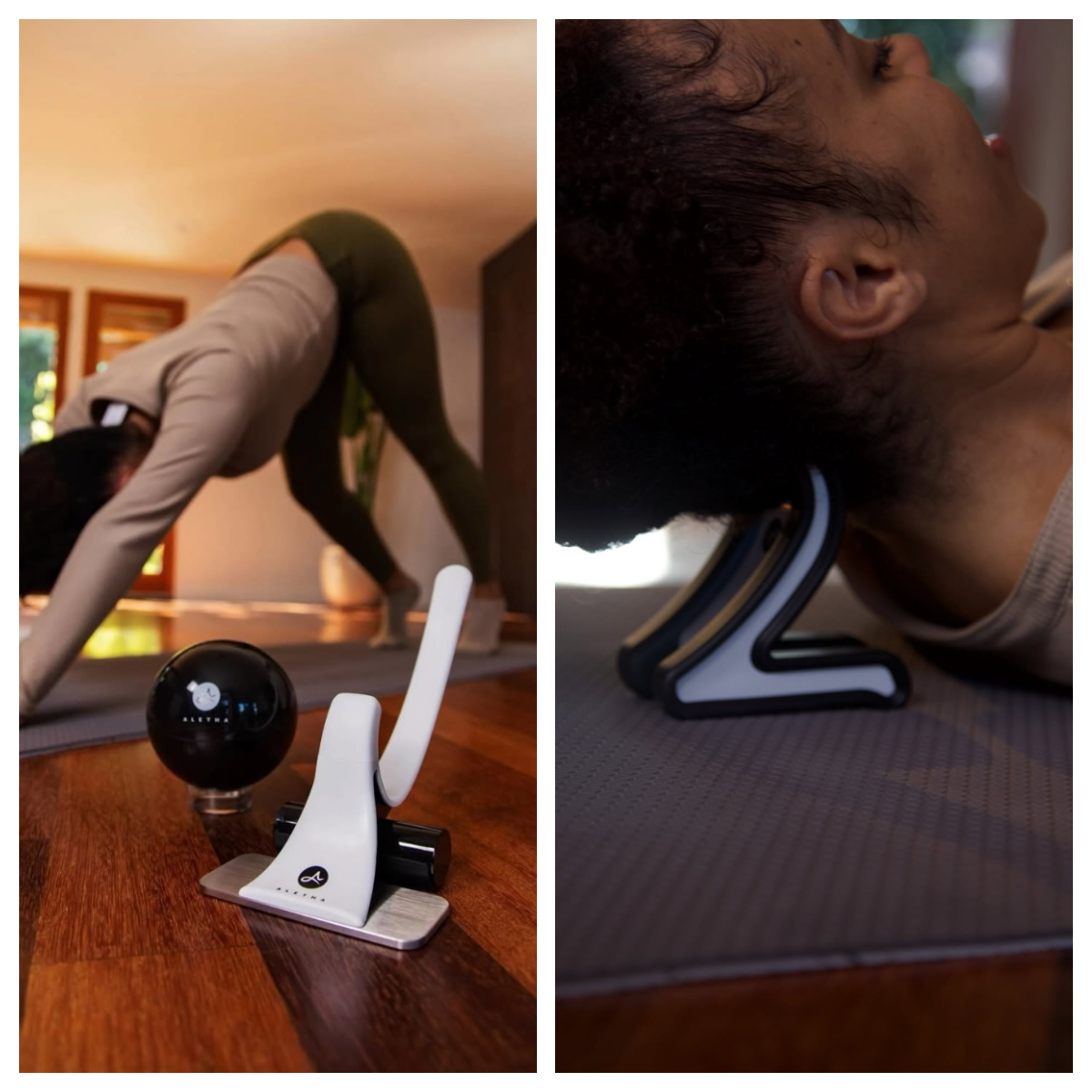
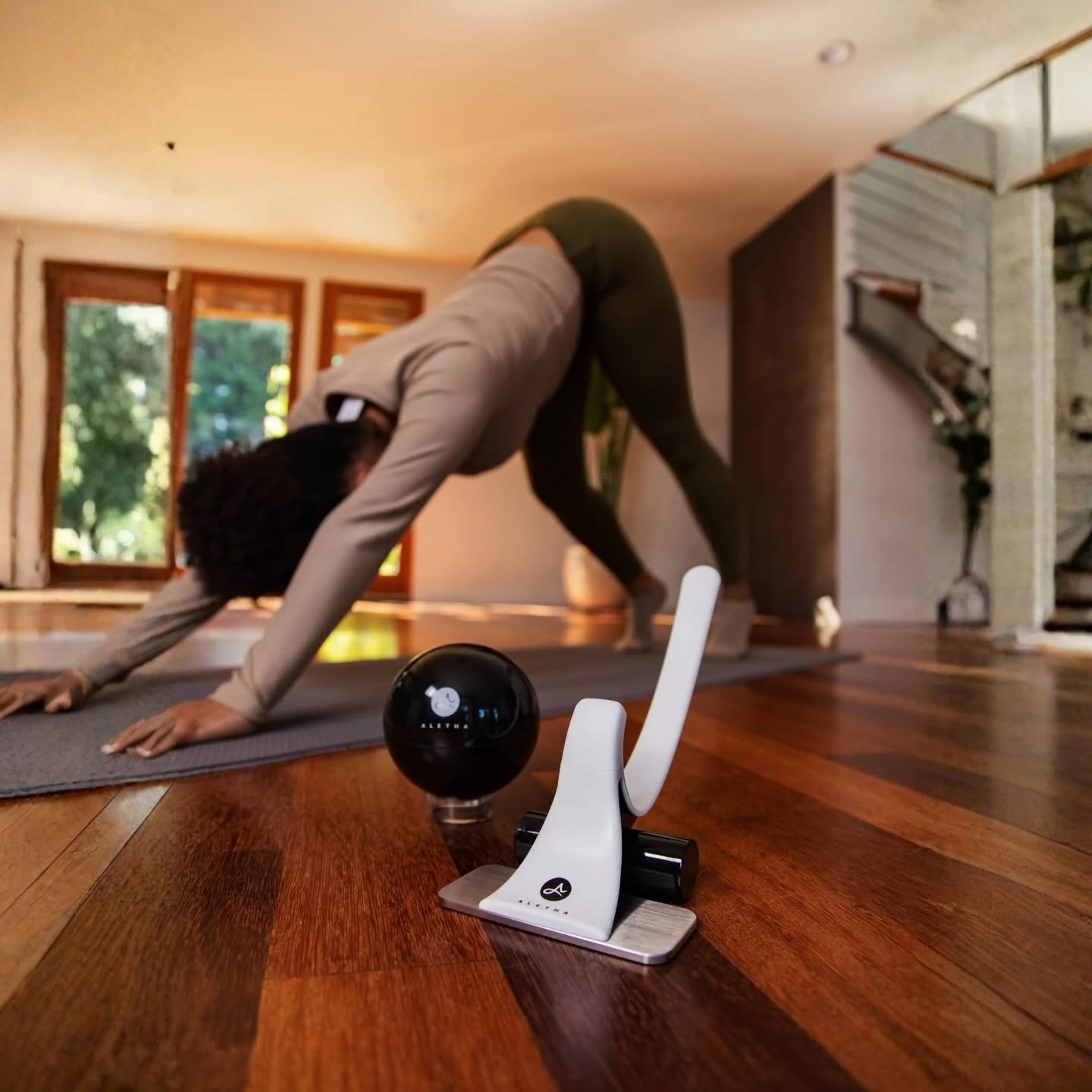
Aletha has established its presence through its Amazon storefront by offering innovative muscle release tools designed primarily for the hip flexors, psoas, iliacus, neck, shoulders, and other areas commonly affected by muscle tension. Its product lineup includes the Original Hip Hook®, deep tissue release tools, massage balls, hip mobility kits, resistance bands, and educational resources focused on improving mobility and relieving muscular discomfort. Through its organized Amazon storefront, customers can compare products and choose the tools that best fit their recovery goals. But is Aletha Health trustworthy, and how does it compare to competitors? This review takes a closer look.
Is Aletha Trustworthy?
Trust is especially important when purchasing muscle recovery tools. Consumers expect durable construction, ergonomic designs, clear usage instructions, and educational resources that explain how to use each product safely and effectively. Aletha provides detailed Amazon listings where shoppers can review product features, intended applications, instructional content, and customer feedback before making purchasing decisions.
Another factor that strengthens the brand’s credibility is its specialized focus on hip mobility and deep tissue muscle release. Rather than offering generic massage equipment, Aletha concentrates on products specifically developed to target the psoas, iliacus, hip flexors, neck, shoulders, and other deep muscle groups that are often difficult to reach using conventional massage tools.
How does Aletha compare to competitors?
The muscle recovery market includes several respected brands offering massage and mobility equipment. Companies such as TriggerPoint, Therabody, Hyperice, RAD Roller, OPTP, Tune Up Fitness, and Chirp compete across similar product categories.
Aletha differentiates itself through its highly specialized approach to hip flexor release. While many competitors focus on foam rollers or massage guns for general muscle recovery, Aletha has developed tools specifically designed to target deep muscles like the psoas and iliacus, making its products unique for users seeking focused mobility work.

Pros and Cons of Aletha
Here are its major strengths and what to watch out for.
Pros
- Aletha offers products specifically designed to help release tension in the psoas, iliacus, and surrounding muscles.
- The brand combines muscle release tools, massage balls, resistance bands, and educational resources to support a comprehensive mobility routine.
- In addition to physical products, Aletha provides instructional materials that help users better understand mobility techniques and proper tool usage.
Cons / Considerations
- Some tools require proper positioning and technique to maximize effectiveness and comfort.
- Many products are designed specifically for hip mobility and muscle release rather than full-body massage.
- Consumers looking for general massage equipment may find other brands with broader product catalogs.