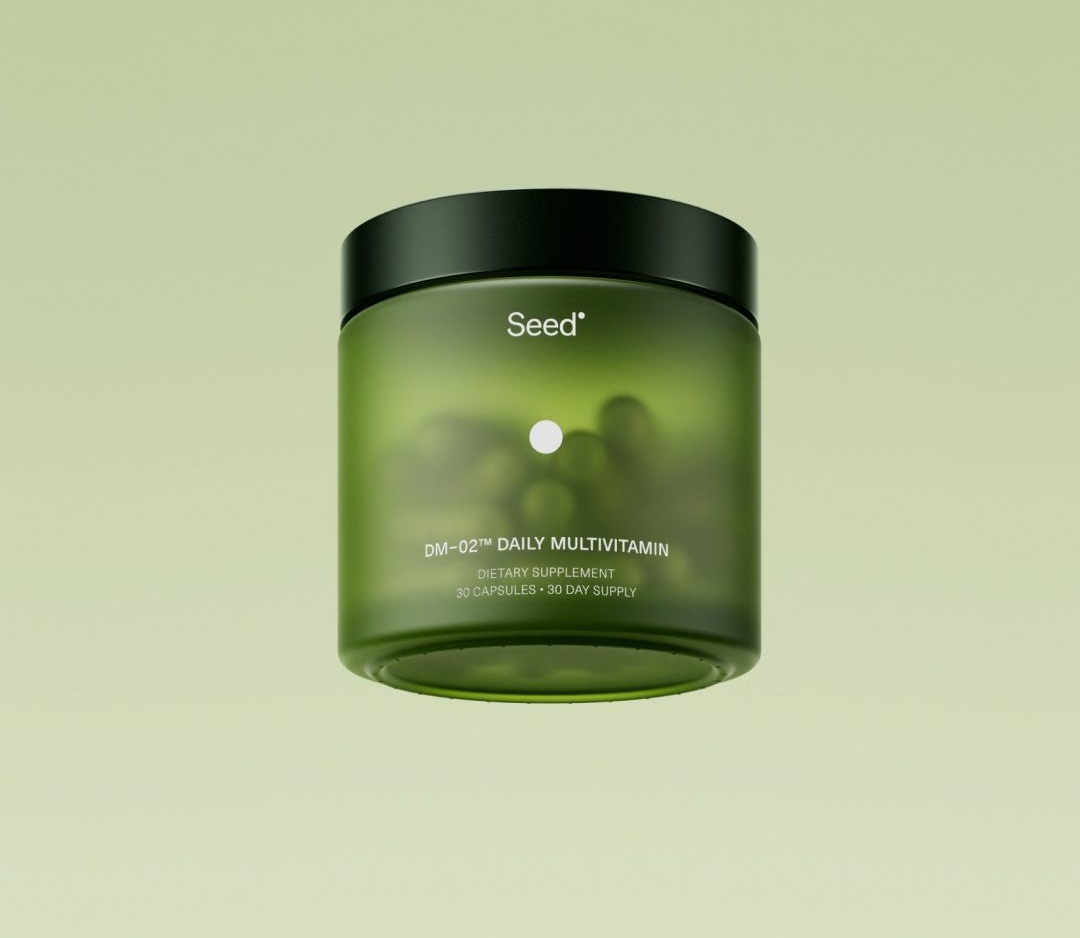



























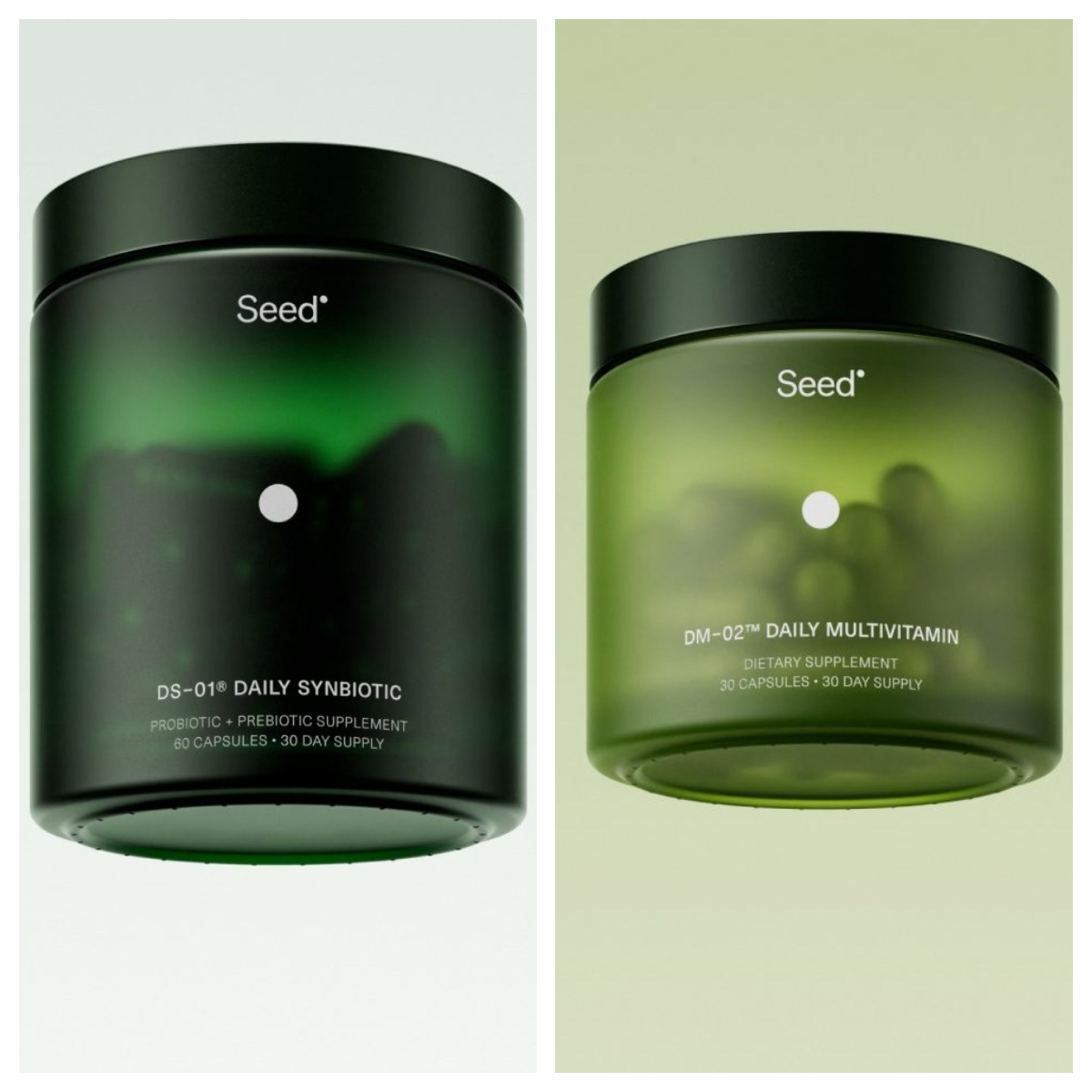
Seed Health (or simply Seed) has established a pioneering reputation in microbiome science and human biology, operating under the core mission “Whole Body Health Starts in the Gut”. Known for clinical precision and bio-engineered delivery systems, Seed crafts targeted synbiotics (combined probiotics and prebiotics) designed for systemic benefits beyond digestion. Its Amazon storefront highlights several primary microbiome collections: DS-01 Daily Synbiotic for Adults (24-strain probiotic and prebiotic for gut barrier integrity, digestive regularity, and skin health), PDS-08 Pediatric Daily Synbiotic (2-in-1 powder sachets with 5g prebiotic fiber for kids aged 3–17), Daily Multivitamin, and Gut Reset / Targeted Restorative Kits.
Digestive issues such as bloating, gas, irregular bowel movements, and skin breakouts often stems from a compromised gut microbiome. Standard off-the-shelf probiotics frequently fail because stomach acid destroys live bacteria before they reach the colon, while low-strain formulas lack clinical backing. Seed resolves these microbiome delivery and efficacy hurdles by engineering its patented ViaCap 2-in-1 capsule-in-capsule technology—a nested capsule system that shields live bacterial strains through harsh stomach acids and digestive enzymes for targeted release in the colon. Below, we evaluate the brand’s clinical research, strain bioavailability, and overall storefront value.
Is Seed Health Trustworthy?
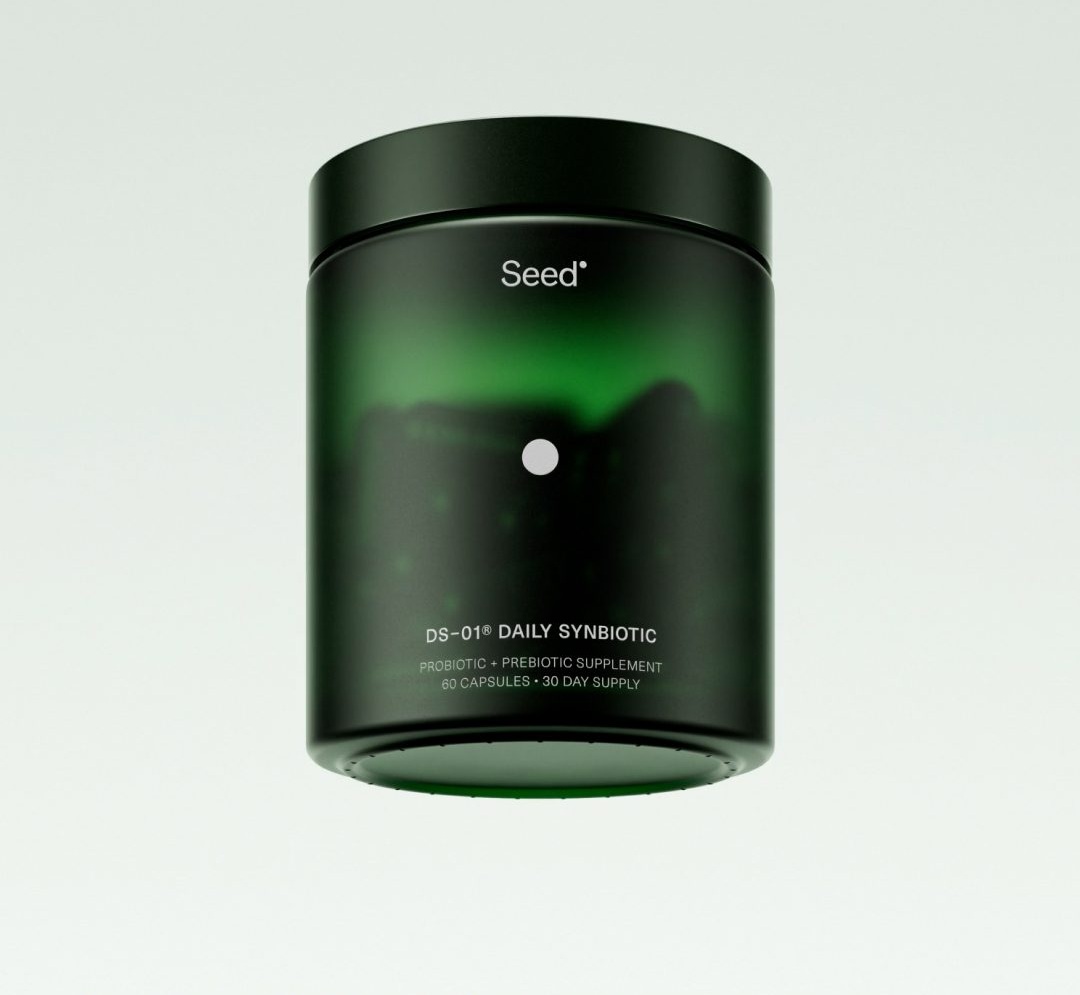
Seed Health demonstrates exceptional scientific credibility, backed by rigorous clinical trials, academic partnerships, and a scientific board comprising leading microbiologists, immunologists, and gastroenterologists. Its flagship DS-01 Daily Synbiotic delivers 24 clinically studied probiotic strains combined with a polyphenol-based prebiotic matrix. Rather than relying on generic strain names, Seed utilizes specific, genetically characterized strains clinically validated for gut barrier integrity, cardiovascular health, dermatological wellness, and B12 synthesis.
Furthermore, orders are fulfilled through official platform fulfillment channels backed by tracked delivery, verified customer reviews, and standard return policies. Seed executes comprehensive third-party testing across every batch, screening for over 500 pesticides, heavy metals, microcystins, and 14 major global allergens (gluten-free, dairy-free, soy-free, and vegan). Its ViaCap technology ensures shelf stability without requiring refrigeration, guaranteeing 100% strain viability through expiration.
How does Seed Health compare to competitors?
Compared to commercial single-capsule probiotics (such as Culturelle, Align, or generic store brands), Seed provides vastly superior survival rates through stomach acid. Traditional softgels or standard vegetable capsules degrade in gastric acid, destroying up to 90% of live bacteria before reaching the lower GI tract. Seed’s outer prebiotic capsule dissolves in the stomach, while the inner probiotic capsule protects live strains until reaching the small intestine and colon.
Against cheap gummy probiotics that pack added sugars, high fructose corn syrup, and minimal bacterial strain diversity, Seed delivers a high-potency, zero-sugar formulation. For children, Seed’s PDS-08 Pediatric Synbiotic supplies 5 grams of prebiotic fiber per sachet alongside 9 clinically studied strains, closing the daily fiber gap without causing artificial sugar spikes.