

































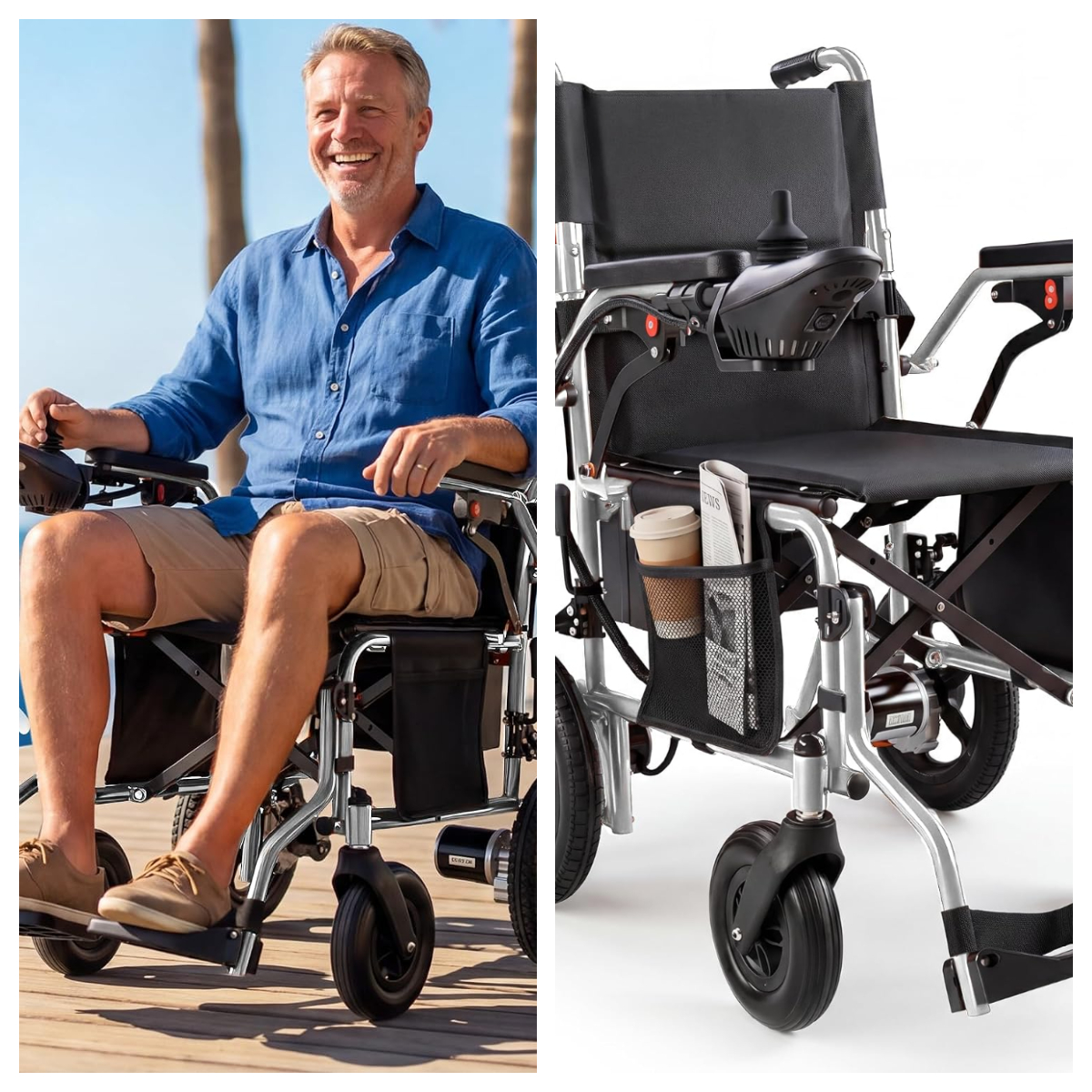
Finding the right mobility equipment can make everyday activities more manageable, whether you’re moving around the house, visiting friends, running errands, or planning outings with family. For shoppers looking for powered mobility solutions, ZygenAir offers a range of electric wheelchairs designed around portability, comfort, and everyday independence. Its catalog includes foldable power wheelchairs, models with removable batteries, options with wider seats, and designs intended for different surfaces and mobility needs. The brand also lists home-care equipment, including electric nursing beds.
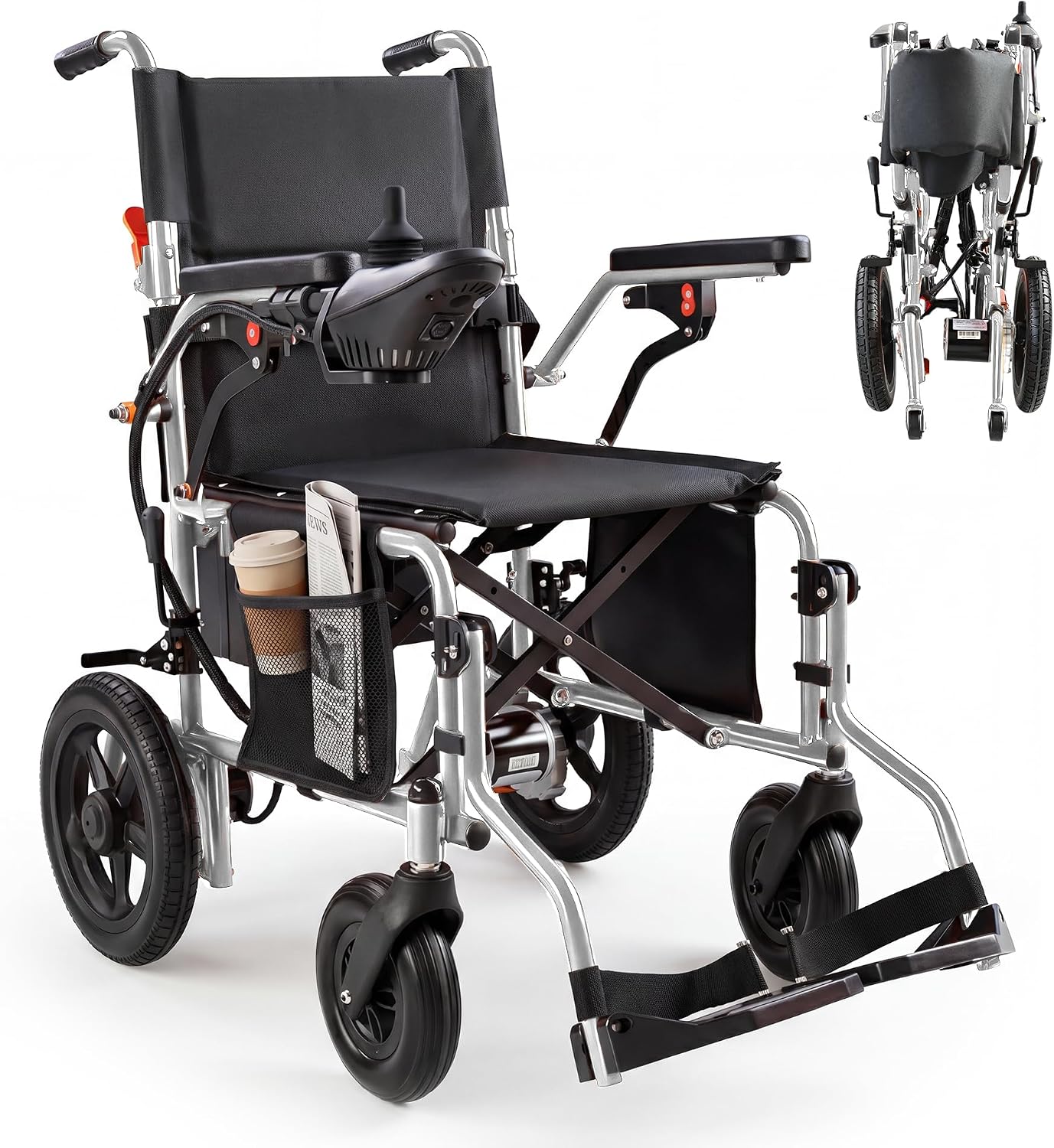
What makes ZygenAir interesting is its focus on combining powered mobility with features that can simplify transportation and storage. Several wheelchair models feature folding frames, joystick controls, solid tires, and rechargeable batteries, while selected designs include suspension systems or additional convenience features. However, because an electric wheelchair is an important mobility purchase rather than an ordinary household accessory, shoppers should carefully evaluate specifications, fit, safety, warranty coverage, and support before deciding.
Is ZygenAir Worth Buying?
ZygenAir is worth investigating for shoppers seeking a powered wheelchair with a foldable design and features intended to support daily mobility. Its products aim to combine motorized movement with practical storage and transportation options, potentially making them attractive to people who want to use a wheelchair both at home and during outings. The range of models also gives shoppers the opportunity to compare seat widths, dimensions, battery configurations, and other features rather than settling for a one-size-fits-all solution.
A major consideration is value for money. ZygenAir offers models with different configurations and features, so it may appeal to buyers who want to compare powered mobility options online. Some third-party retail listings have advertised certain models at prices below those of some premium travel power chairs, but prices, availability, and included accessories vary. The most useful comparison is not simply the purchase price: it should also account for the chair’s total weight, battery replacement, service access, warranty conditions, and the cost of transporting or repairing the equipment if necessary.
Customer feedback also deserves attention. Available third-party listings show positive reports about folding, maneuverability, battery life, and convenience, but they also include complaints about delivery damage, limited battery performance, and uneven driving behavior. These reports do not establish how frequently such issues occur across the entire product range, but they reinforce the importance of checking recent reviews for the exact model and understanding the return process before buying.
How does ZygenAir compare to competitors?
ZygenAir operates in a competitive market that includes established mobility brands such as Pride Mobility and Drive Medical. These brands offer a variety of mobility solutions, from lightweight folding power chairs to larger powered wheelchairs designed for different comfort and performance requirements. The main differences for shoppers are likely to involve price, portability, seating, service availability, and the specific features needed for everyday use.
Compared with Pride Mobility, ZygenAir emphasizes foldable electric wheelchairs with features such as removable batteries, compact storage configurations, and practical controls. Pride’s Jazzy range also includes portable folding models, but its catalog extends to more substantial power chairs with features such as adjustable seating, suspension, and higher-performance configurations. Pride provides product manuals, specification sheets, and support resources that can help customers compare models and find assistance. Buyers considering ZygenAir should therefore compare the exact specifications and confirm what technical support is available in their location before making a final decision.
Drive Medical is another important alternative, offering a range of power wheelchairs with different seat sizes, weight capacities, driving characteristics, and travel ranges. Its product lineup includes folding and standard power wheelchair designs, which means shoppers can compare portability against other priorities such as seating support and everyday maneuverability. ZygenAir may appeal to buyers interested in a folding model with a removable battery, while Drive Medical may be worth considering for customers who want to compare a broader set of configurations and product-support resources. The best choice will depend on the user’s measurements, environment, and required level of assistance.